What Makes the IB Diploma Program a “Gold Standard” in Pre-University Education?
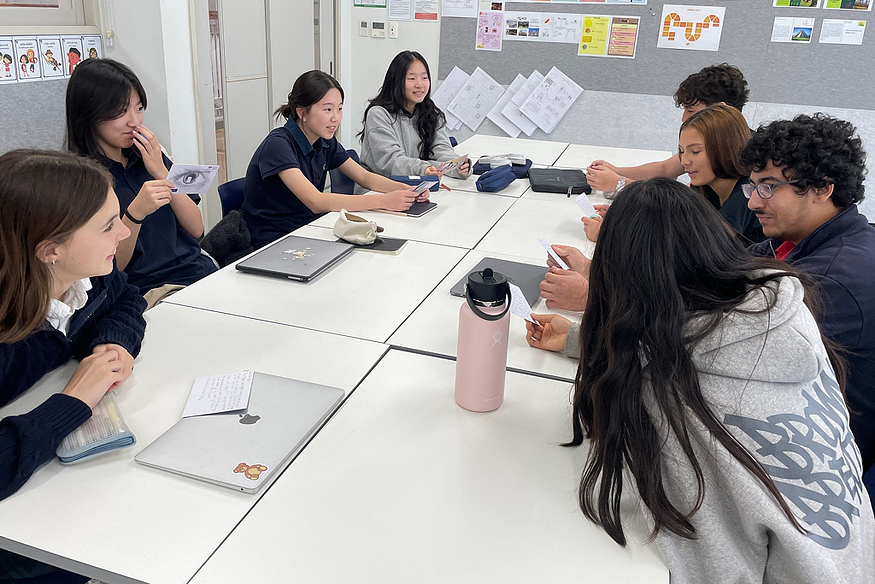
The IB Diploma Program (IBDP) has long been regarded as the benchmark for pre-university education and there are compelling reasons why this distinction holds true, especially as reflected in how it’s implemented at Dwight Seoul.
1. Rigorous, Balanced Assessment
One of the defining features of the IBDP is its combination of internal and external assessments. Students are evaluated not only through externally graded exams but also by internal coursework. This dual structure ensures that learning isn’t just about exam preparation it measures a deep understanding and application of knowledge.
2. Holistic, Well-Rounded Curriculum
Beyond just academics, the IBDP requires students to engage with three core components:
- Theory of Knowledge (TOK) - which challenges students to think about the nature of knowledge itself, to question how we know what we claim to know.
- Extended Essay (EE) - a 4,000-word independent research project that helps students build research, writing, and critical thinking abilities.
- Creativity, Activity, Service (CAS) - ensures students maintain a balance in life, contributing to community, being physically active, and engaging in creative pursuits.
These components help develop not just intellectual skills, but also personal growth, citizenship, and self-management.
3. Broad Subject Range
Students in the IBDP study six subjects, one from each of the major academic groups: Language and Literature, Language Acquisition, Individuals & Societies, Sciences, Mathematics, and the Arts. This breadth ensures that learners remain well-rounded, even if they choose to specialize later.
4. Global Recognition
The IBDP is internationally recognized, and success in the program often translates into advantages for university admission such as advanced standing, credit, and even scholarships. Because universities worldwide respect the rigor and reputation of the IBDP, it opens doors for students across borders.
5. Development of Key 21st-Century Skills
The IBDP is not just about mastering content. It’s about building skills that matter in the modern world:
- Critical thinking and inquiry (through TOK and subject work)
- Long-term research and writing (via the Extended Essay)
- Time-management and self-discipline (balancing six subjects + core)
- Global mindedness (understanding different perspectives, cultures)
- Service and leadership (through CAS)
6. Proven Outcomes
At Dwight Seoul, the IBDP is explicitly linked to university success. The school notes that doing well in the Diploma examinations can lead to “elevated academic standing, course credits, scholarships, and various admissions-related privileges” at universities around the world.
7. Building Global Citizens
Because the IBDP emphasizes international-mindedness, it helps students develop a strong sense of their own identity while also learning to communicate and empathize with people from different cultures. This fosters not just academic readiness, but global citizenship a crucial trait in today’s interconnected world.
Conclusion
The IB Diploma Program earns its reputation as the “gold standard” in pre-university education because it goes beyond rote learning. It’s rigorous, globally valid, and designed to nurture not just scholars, but well-rounded, thoughtful, and proactive individuals. Through a balanced curriculum, demanding assessments, and a real emphasis on personal growth and global awareness, the IBDP prepares students not just for university but for life.
At Dwight Seoul, these strengths are deeply embedded in how the program is offered and supported, making it an especially powerful pathway for students ready to take on the challenges of higher education and beyond.


Comments
Post a Comment